Red Light Therapy for Acne: Does It Actually Work?
Spread the love
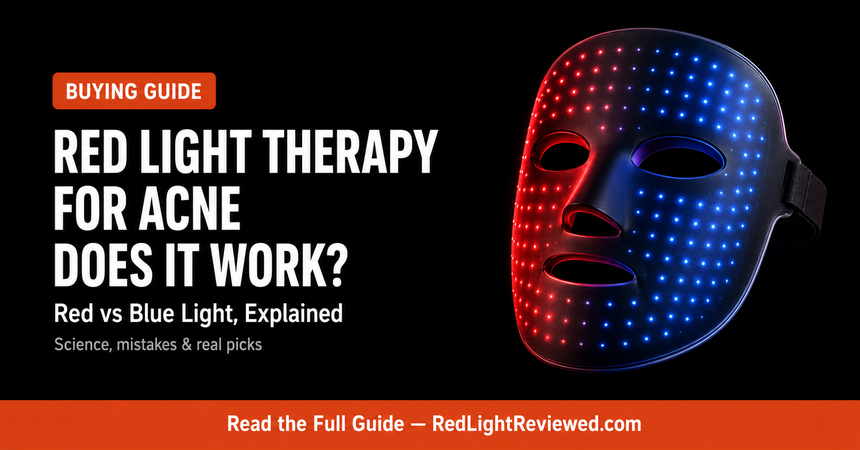
Red light therapy for acne gets recommended constantly, but the honest answer to “does it work” depends heavily on which light color you’re actually talking about — and most marketing blurs that distinction on purpose. Red light and blue light address acne through two completely different mechanisms, and neither one is the miracle cure the more breathless corners of skincare social media suggest. This guide breaks down what each wavelength actually does to acne-prone skin, what the research genuinely supports versus what’s overstated, and how to build a realistic routine if breakouts are your primary concern rather than general anti-aging.
Table of Contents
Red Light vs. Blue Light: Two Different Jobs
This is the single most important distinction to understand before buying anything. Blue light, typically in the 405–420nm range, works by targeting Propionibacterium acnes (P. acnes, also called Cutibacterium acnes) — the bacteria that colonizes clogged pores and drives inflammatory acne. Blue light is absorbed by porphyrins these bacteria produce, triggering a photochemical reaction that damages the bacterial cell wall and reduces the bacterial population contributing to breakouts. Red light, typically 620–660nm, works through an entirely different mechanism: it’s absorbed by mitochondria in skin cells, increasing ATP production and reducing inflammatory signaling, which helps calm the redness and swelling around existing breakouts and may support faster healing of acne-related skin damage afterward. Neither wavelength eliminates the root causes of acne (hormones, oil production, clogged pores) — they’re addressing the bacterial and inflammatory symptoms, not the underlying trigger, which is why light therapy works best as one piece of a broader acne approach rather than a standalone cure.
The evidence for blue light against P. acnes is genuinely solid and well-established — clinical studies going back over two decades have consistently shown blue light reduces inflammatory acne lesion counts, with some trials reporting meaningful reduction after 4-8 weeks of consistent use. The evidence for red light’s role specifically in acne is more supportive of its anti-inflammatory and healing-support function than of directly killing acne-causing bacteria — it’s a legitimate complementary mechanism, not a bacterial treatment in its own right. Combined red-and-blue light protocols, which most consumer masks now use, have shown better results in several trials than either wavelength alone, which is the scientific rationale behind nearly every dual-wavelength acne mask on the market today. It’s worth being direct about a limitation here: most photobiomodulation research for acne studies moderate, inflammatory acne (papules, pustules) rather than severe cystic or nodular acne, and results are generally described as a meaningful reduction in lesion count and inflammation rather than complete clearance — light therapy is a genuine tool, not a replacement for dermatologist-guided treatment for more severe presentations.
Who Red Light/Blue Light Therapy Actually Helps
This distinction matters more than most marketing acknowledges. Light therapy shows the most consistent benefit for mild-to-moderate inflammatory acne — the red, swollen papules and pustules that flare up periodically rather than a constant, severe breakout pattern. It’s a reasonable complementary tool for hormonal acne along the jawline, since the anti-inflammatory mechanism can help calm individual breakouts even though it doesn’t address the hormonal trigger itself. It’s a poor fit as a standalone treatment for cystic or nodular acne, which sits deeper in the skin and generally requires prescription treatment (oral medication, in some cases isotretinoin) that light therapy isn’t designed to replace — using an LED mask alone for severe cystic acne while skipping dermatologist care is a common and costly mistake. It’s also worth noting honestly: for purely comedonal acne (blackheads and whiteheads with minimal inflammation), the anti-bacterial and anti-inflammatory mechanisms in light therapy have less to work with, since that presentation isn’t primarily bacteria-and-inflammation-driven.
Common Mistakes People Make Treating Acne With Light Therapy
The single most common mistake is expecting results within a week or two — most clinical protocols run 4-to-8 weeks minimum before meaningful lesion-count reduction shows up, and stopping early because “it’s not working” is the most frequent reason people conclude light therapy doesn’t help when they simply didn’t give it enough time. A second common mistake is combining light therapy sessions with strong actives (benzoyl peroxide, retinoids, exfoliating acids) applied immediately before or after — some of these ingredients increase photosensitivity, and layering them directly around a light session can cause irritation that gets mistakenly blamed on the device itself; space them to different times of day instead. A third mistake is using a red-light-only device and expecting acne-specific results — if breakouts are your primary concern, you specifically need a device with a genuine blue light mode (typically 415nm), since red light alone is working through the weaker of the two acne-relevant mechanisms. A fourth, more subtle mistake is skipping basic skincare fundamentals (gentle cleansing, non-comedogenic moisturizer, not picking at active breakouts) and expecting the light device to compensate — light therapy is additive to a sound routine, not a substitute for one.
What to Look For in an Acne-Focused Device
A genuine blue light mode, not just red. Check the specific wavelength — look for something in the 405–420nm range explicitly, not a device that only offers red and near-infrared with “acne” mentioned vaguely in the marketing copy.
Combined red-and-blue capability, ideally simultaneous or easily alternated. The strongest evidence supports using both mechanisms together rather than relying on one wavelength alone.
Full-face coverage if breakouts aren’t localized to one area. A targeted wand or small handheld device makes sense if you’re treating one stubborn spot; a full mask makes more sense for broader inflammatory acne across the cheeks, forehead, and jawline.
Reasonable session length you’ll actually keep up. Since results depend on weeks of consistency, a device with a shorter session (3-10 minutes) may produce better real-world adherence than a 20-minute session you’re more likely to skip.
Recommended Devices for Acne-Prone Skin
Best Devices for Acne-Prone Skin
Devices with a genuine combined red + blue mode for breakouts.
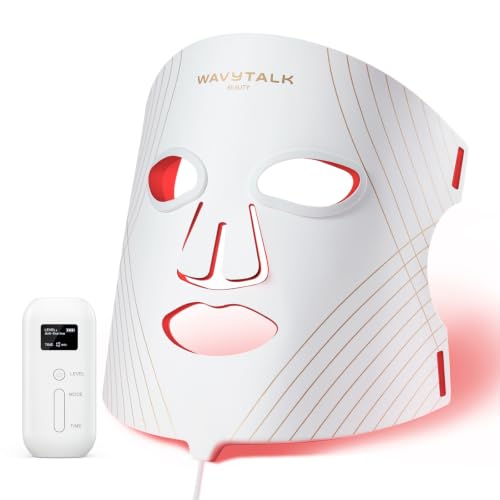
Wavytalk’s Glow Time mask stands out specifically for acne because its dedicated Anti-Acne mode combines 415nm blue with 630nm red in one setting, rather than requiring you to run separate red-only and blue-only sessions — a genuinely useful design choice for this specific concern. XSSNVV’s Clarifying mode (460nm blue) offers a similar combined approach at a lower price point, though with a slightly higher blue wavelength than the most commonly studied 415nm range. For a fuller breakdown of every mask on the market across every price tier, our best LED face masks roundup ranks ten options, though not every one there includes a genuine acne-specific mode — check the specific wavelength breakdown for each pick before assuming acne coverage.
How This Compares to Other Acne Treatments
Light therapy sits at the gentler, lower-risk end of the acne treatment spectrum. Topical treatments (benzoyl peroxide, salicylic acid, topical retinoids) generally act faster and more directly on the bacterial and comedonal mechanisms driving acne, and are usually recommended as a first-line approach before or alongside light therapy rather than instead of it. Prescription options (oral antibiotics, hormonal treatments, isotretinoin) address more severe or treatment-resistant acne through mechanisms light therapy can’t replicate, and should be discussed with a dermatologist if over-the-counter approaches — light therapy included — aren’t producing adequate results after a reasonable trial period. In-office treatments like professional blue light or photodynamic therapy sessions use significantly higher-intensity light than consumer devices, generally producing faster results at a much higher per-session cost — a reasonable escalation if at-home light therapy alone isn’t cutting it, similar in spirit to how microneedling and chemical peels compare to at-home red light therapy for anti-aging concerns generally.
Building a Realistic Acne-Focused Routine
Clean skin first — makeup, sunscreen, and product residue block light from reaching the skin and reduce whatever benefit the session would otherwise deliver. A gentle, non-comedogenic cleanser and a lightweight, oil-free moisturizer round out the basics; avoid layering a heavy or occlusive moisturizer immediately before a light session. Run your combined red-and-blue session daily or near-daily for the first 8 weeks before evaluating whether it’s helping — this is the single most commonly skipped step, and it’s the one most responsible for people wrongly concluding light therapy doesn’t work. If you’re also using benzoyl peroxide or a retinoid, use them at a different time of day than your light session (morning light, evening actives, or vice versa) rather than stacking them together. And track your actual lesion count or take photos periodically — subjective “does my skin feel better” impressions are notoriously unreliable for judging acne treatment progress compared to an objective before-and-after comparison.
FAQ
Frequently asked questions
Common questions about using red and blue light therapy for acne.
Red light primarily helps by reducing inflammation and supporting healing around existing breakouts rather than killing acne-causing bacteria directly. Blue light (405-420nm) is the wavelength with the stronger evidence for targeting bacteria specifically — combined red-and-blue protocols generally outperform either wavelength alone.
Science
Most clinical protocols run 4-to-8 weeks of consistent use before meaningful reduction in lesion count and inflammation. Stopping earlier is the most common reason people wrongly conclude light therapy doesn’t work.
Results
Not as a standalone treatment. Cystic and nodular acne sits deeper in the skin and generally requires prescription treatment. Light therapy is better suited to mild-to-moderate inflammatory acne; consult a dermatologist for severe or treatment-resistant breakouts.
Safety
Use them at different times of day rather than stacking them together — some actives increase photosensitivity, and combining them directly around a light session can cause irritation that gets mistakenly blamed on the device.
Usage
Red light’s collagen-supporting mechanism can help with texture over time, but it’s gentler and slower than dedicated scar treatments like microneedling. See our comparison of red light vs. microneedling vs. chemical peels for how they stack up specifically for scarring.
Buying Decision
Combined red-and-blue protocols generally show better results than blue light alone in clinical research, since they address both the bacterial and inflammatory components of acne together.
Science
Generally yes, and it’s a lower-risk option than many topical actives. As with any new routine, patch test if you have known sensitivities, and check with a dermatologist if you’re on photosensitizing medication.
Safety
See our top acne-focused pickWavytalk Glow Time — dedicated Anti-Acne mode
Red light therapy for acne is a real, evidence-supported tool — but only when you’re using the right wavelength for the job (blue for bacteria, red for inflammation and healing support, ideally both together) and giving it the 4-to-8 weeks it actually needs to show results. It’s not a replacement for dermatologist care if your acne is severe or treatment-resistant, and it’s not going to outperform a solid topical routine on its own. Used as one deliberate piece of a broader approach, it’s a genuinely useful, low-risk addition. For general background on wavelength science beyond acne specifically, our wavelengths explainer covers the fundamentals referenced throughout this guide.
Red light therapy devices are not intended to diagnose, prevent, or treat any medical condition. Individual results may vary. Consult a dermatologist for persistent, severe, or treatment-resistant acne before relying on light therapy alone.