Latest posts
-
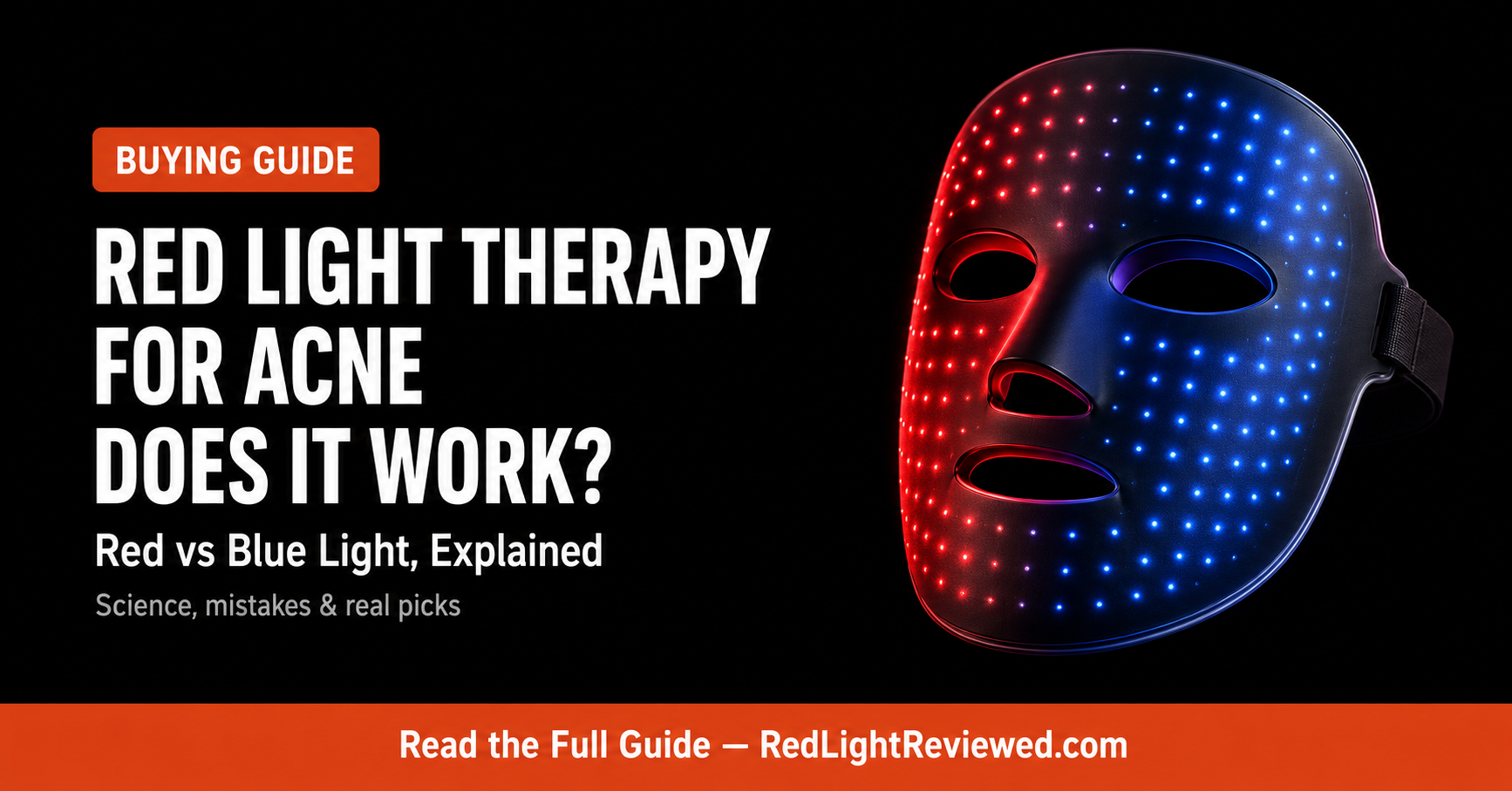
Red Light Therapy for Acne: Does It Actually Work?

Red light therapy for acne gets recommended constantly, but the honest answer to “does it work” depends heavily on which light color you’re actually talking about — and most marketing blurs that distinction on purpose. Red light and blue light address acne through two completely different mechanisms, and neither one is the miracle cure the…
-
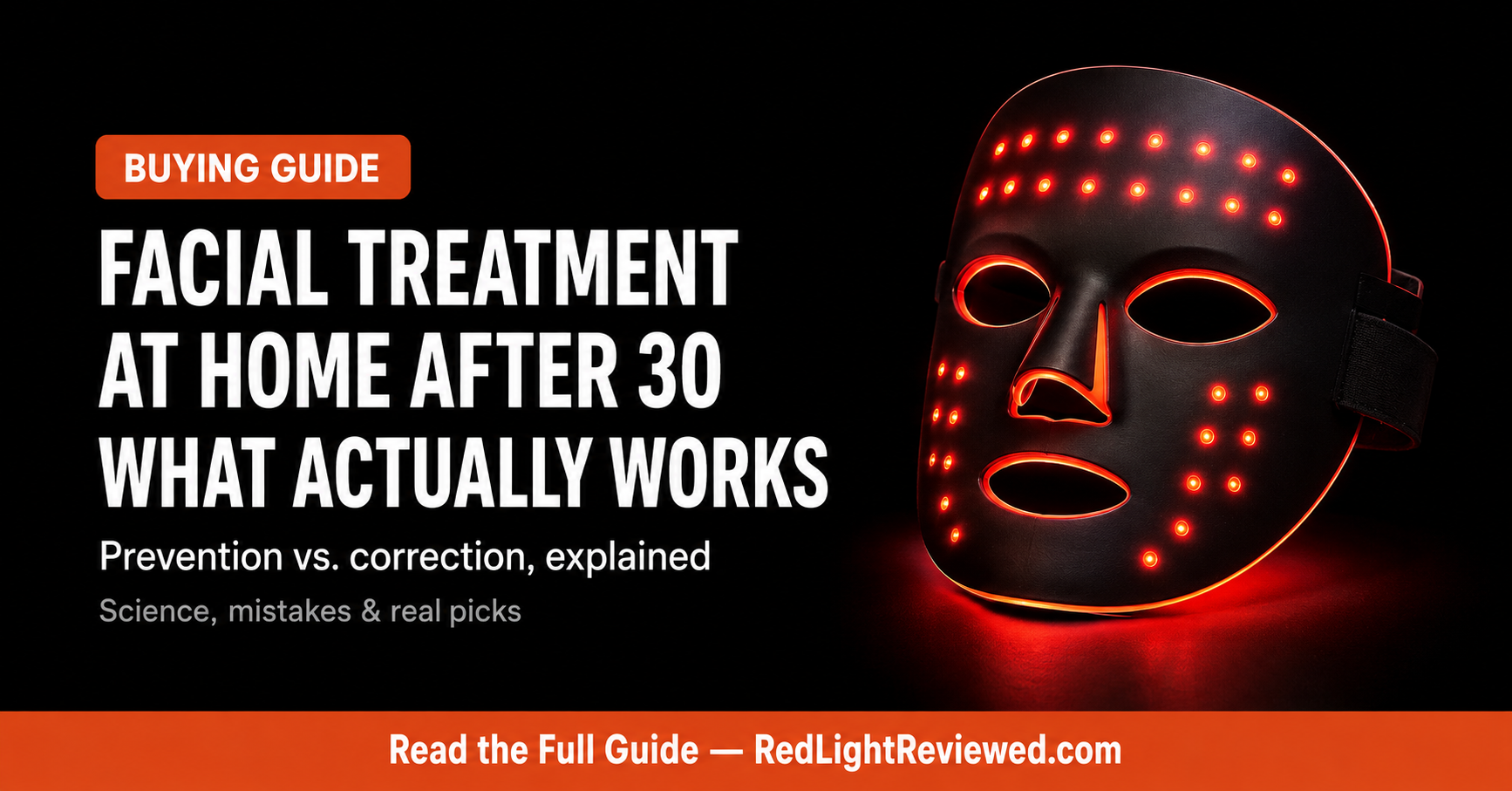
At-Home Facial Treatment After 30: What Actually Works
Turning 30 tends to trigger a specific, predictable panic in the skincare world — a sense that the window for “prevention” is closing and it’s time to do something. Most of what gets marketed at that panic is either wildly overpriced or wildly premature. This guide is the opposite of both: a clear-eyed look at…
-
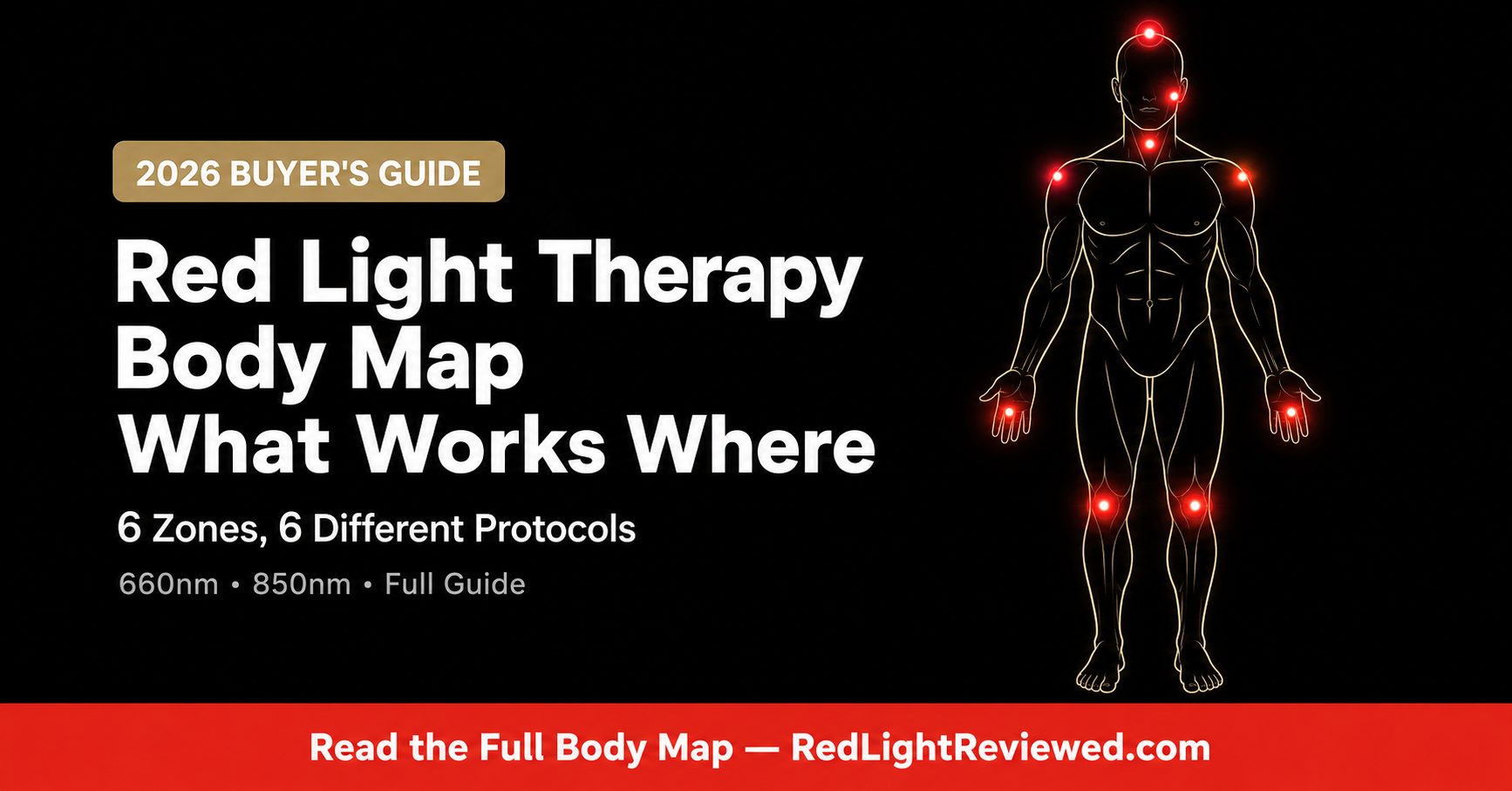
Red Light Therapy Body Map: What Works Where (2026)
Red light therapy is not one treatment. It is six different treatments wearing the same marketing copy. A device that rebuilds collagen on your face at 660nm will do almost nothing for the deep joint inflammation in your knee, and a near-infrared panel built to reach a shoulder muscle three centimeters under the skin is…
-
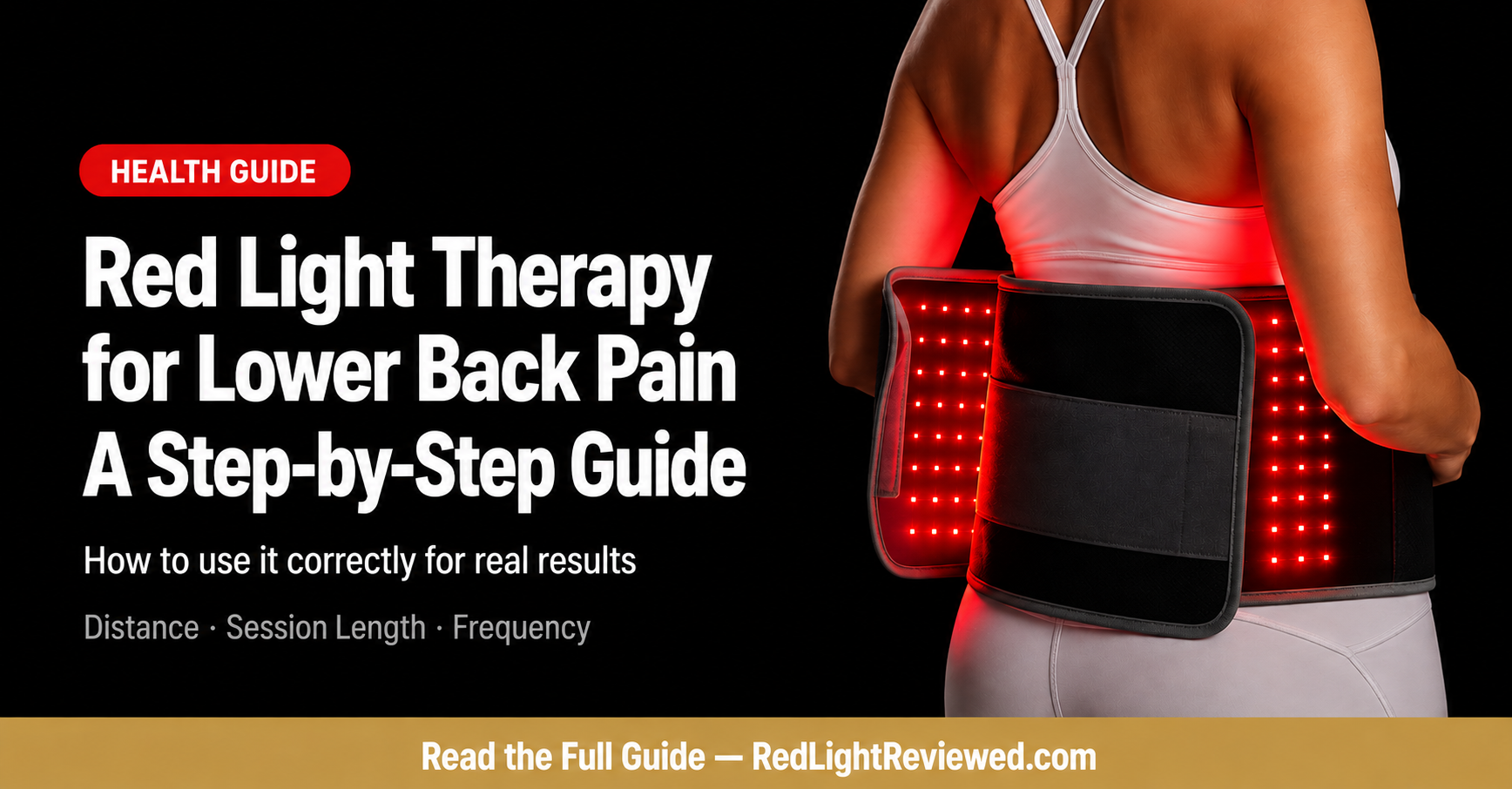
Red Light Therapy for Lower Back Pain: Step-by-Step Guide
If you’ve searched for red light therapy for lower back pain, you’re probably past the “does this actually work” stage and into “how do I actually do this correctly.” That’s the right question. Red light therapy is forgiving in the sense that it’s very hard to hurt yourself with it, but it’s also easy to…
-
The Science-Backed Glow Up Guide: How to Get Better Skin in 90 Days
A real glow up skin care routine isn’t a single product or a single week — it’s a biological process with a timeline, and that timeline is roughly 90 days. That number isn’t arbitrary. It comes from how skin actually repairs itself: fibroblasts activate, collagen production ramps up, and structural remodeling happens in phases that…
-
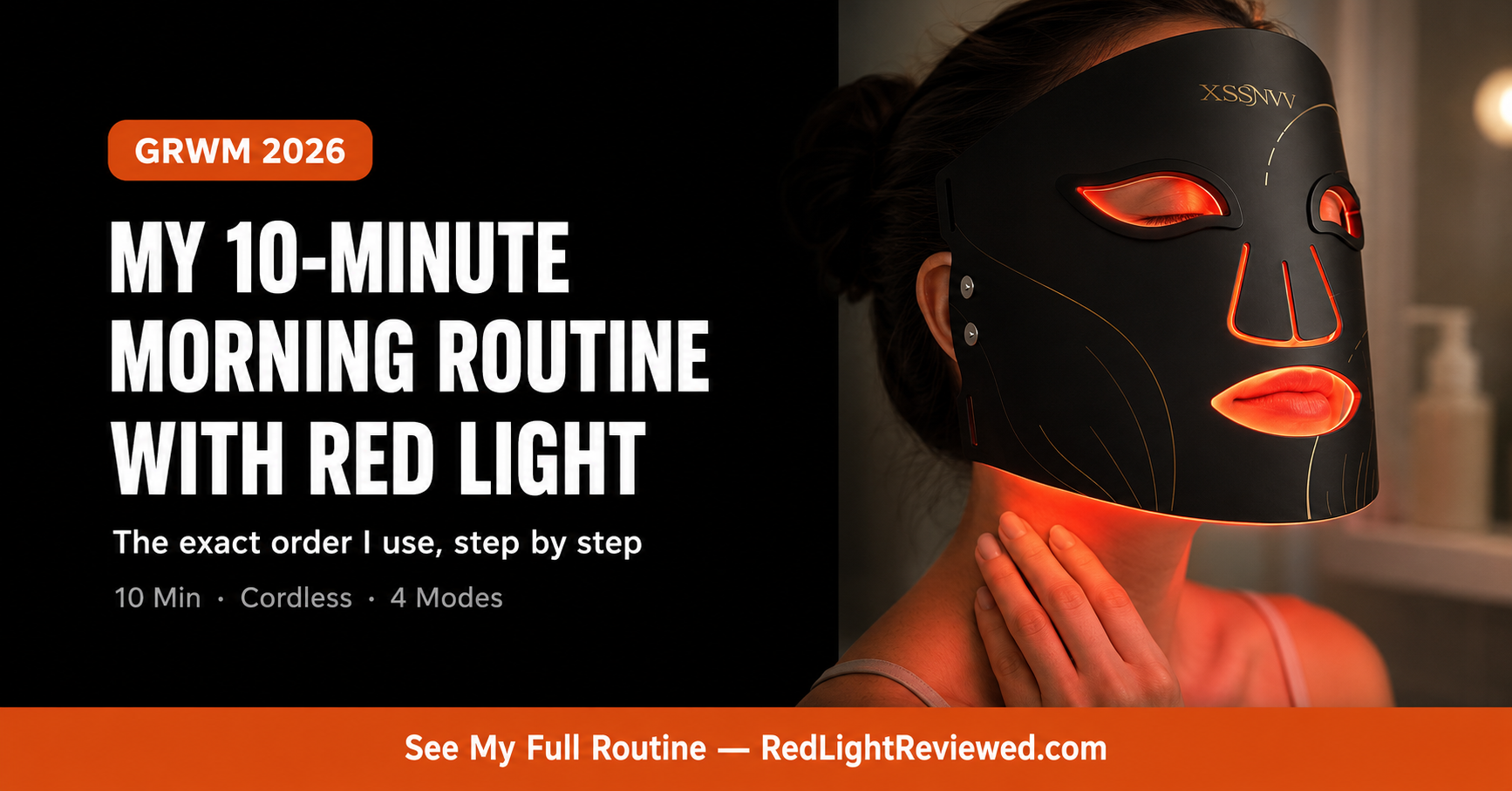
My 10-Minute Morning Skincare Routine with Red Light Therapy (GRWM 2026)
My red light therapy morning routine didn’t start as a “routine” at all — it started as me trying to fit one more thing into a morning that already felt too short. I’d read enough about photobiomodulation to be curious, skeptical about most of the marketing, and genuinely tired of skincare steps that promised a…
-
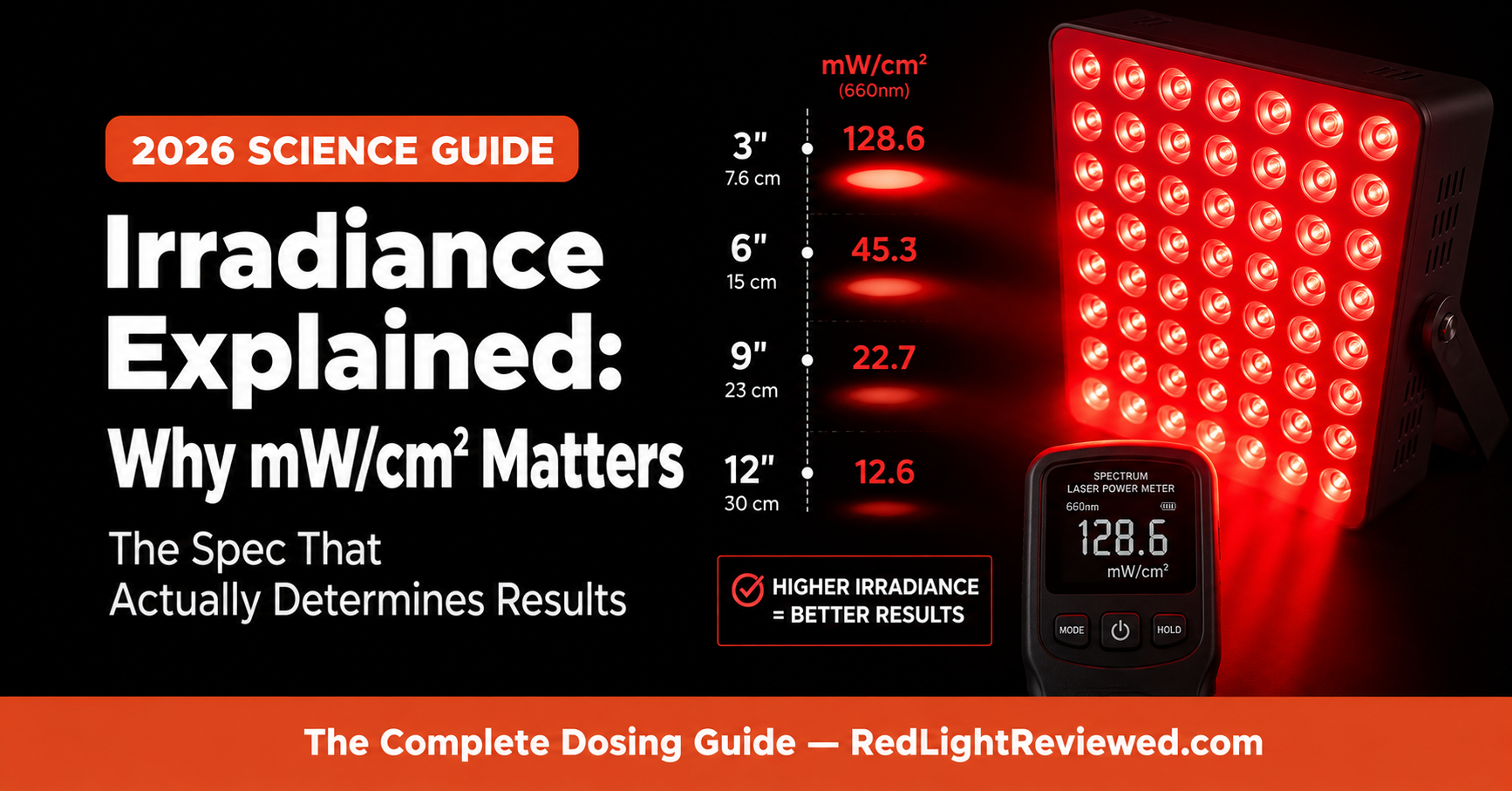
Irradiance Explained: Why mW/cm² Is the Most Important Spec in Red Light Therapy
Of all the specifications listed on a red light therapy device — LED count, wattage, wavelength, number of colors — irradiance is the one that most directly determines whether the device will produce clinical results. It is also the one that receives the least honest treatment in marketing copy. This guide explains what irradiance actually…
-
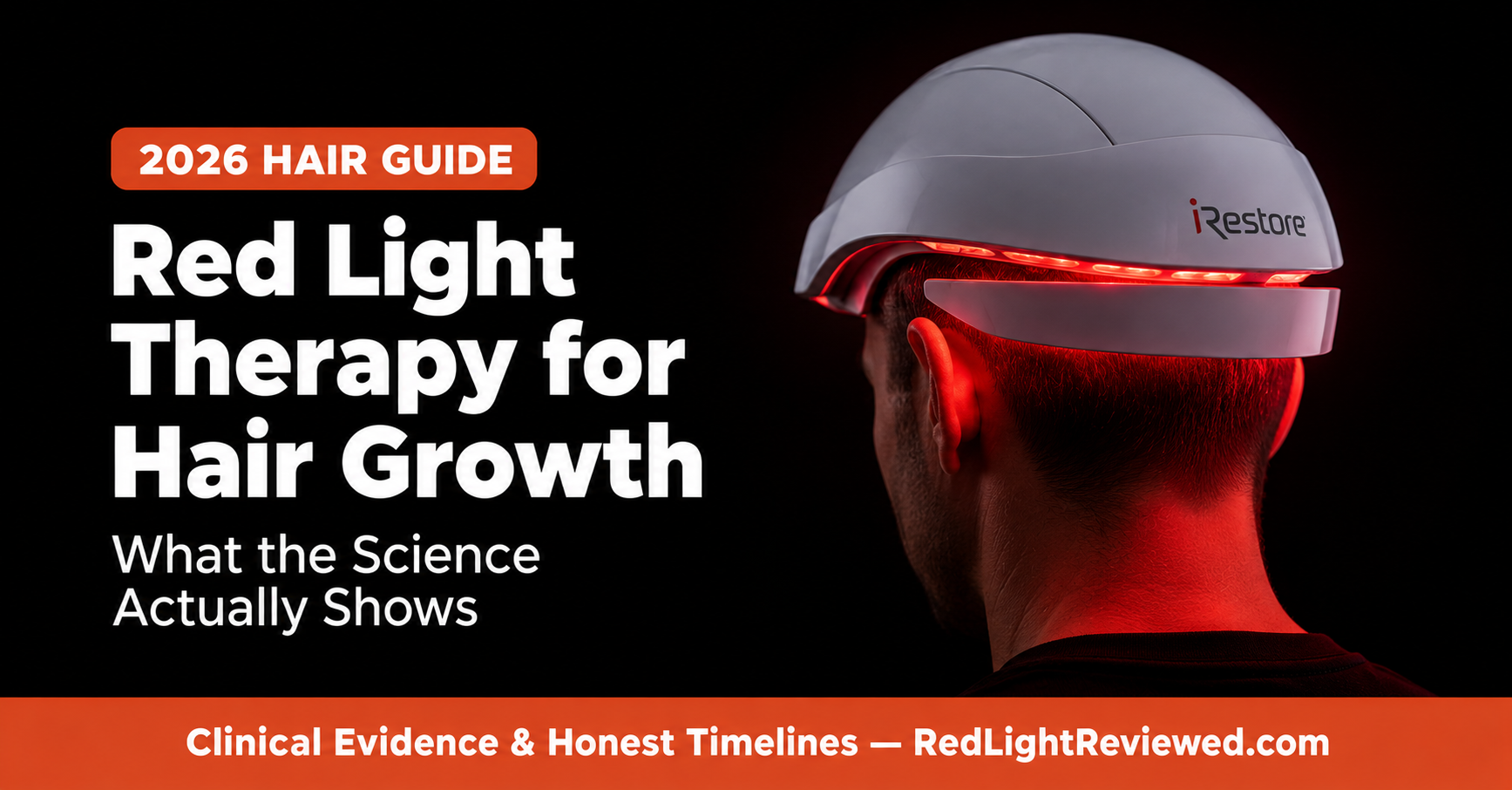
Red Light Therapy for Hair Growth: What the Science Actually Shows
Hair loss is one of the few areas where red light therapy has not just promising preliminary data but a formal regulatory recognition. Multiple devices are FDA-cleared specifically for androgenetic alopecia. The evidence base includes randomised controlled trials, systematic reviews, and meta-analyses. A 2025 consensus review — covered by NPR in April 2026 — confirmed…
-
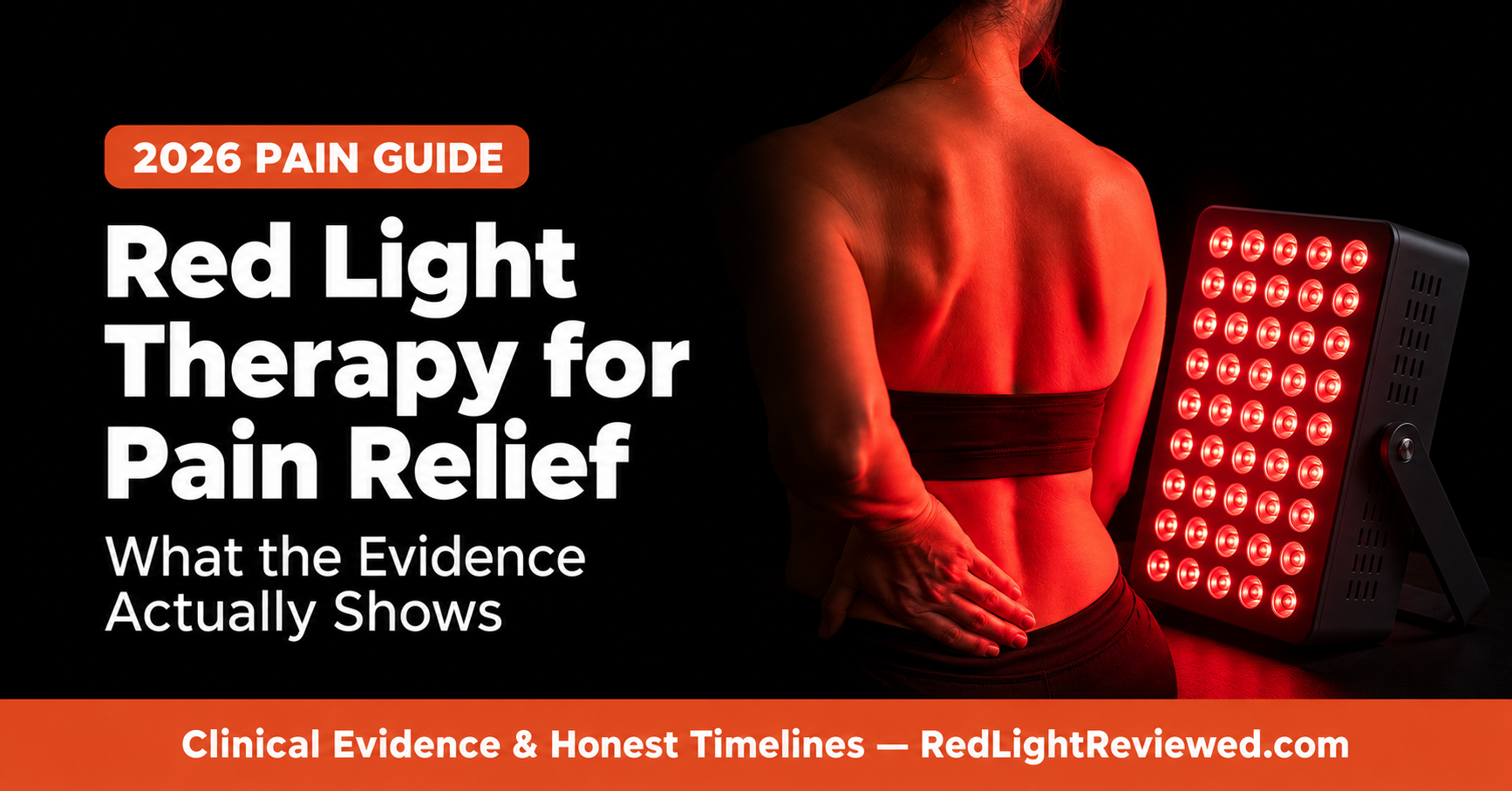
Red Light Therapy for Pain Relief: What the Evidence Actually Shows
Pain management is where red light therapy — more accurately called photobiomodulation (PBM) — has some of its most substantial clinical evidence. Unlike its use for skin rejuvenation, where the research is strong but not yet formally endorsed by major dermatology guidelines, the pain literature includes large-scale meta-analyses published in top-tier journals, including The Lancet.…
-
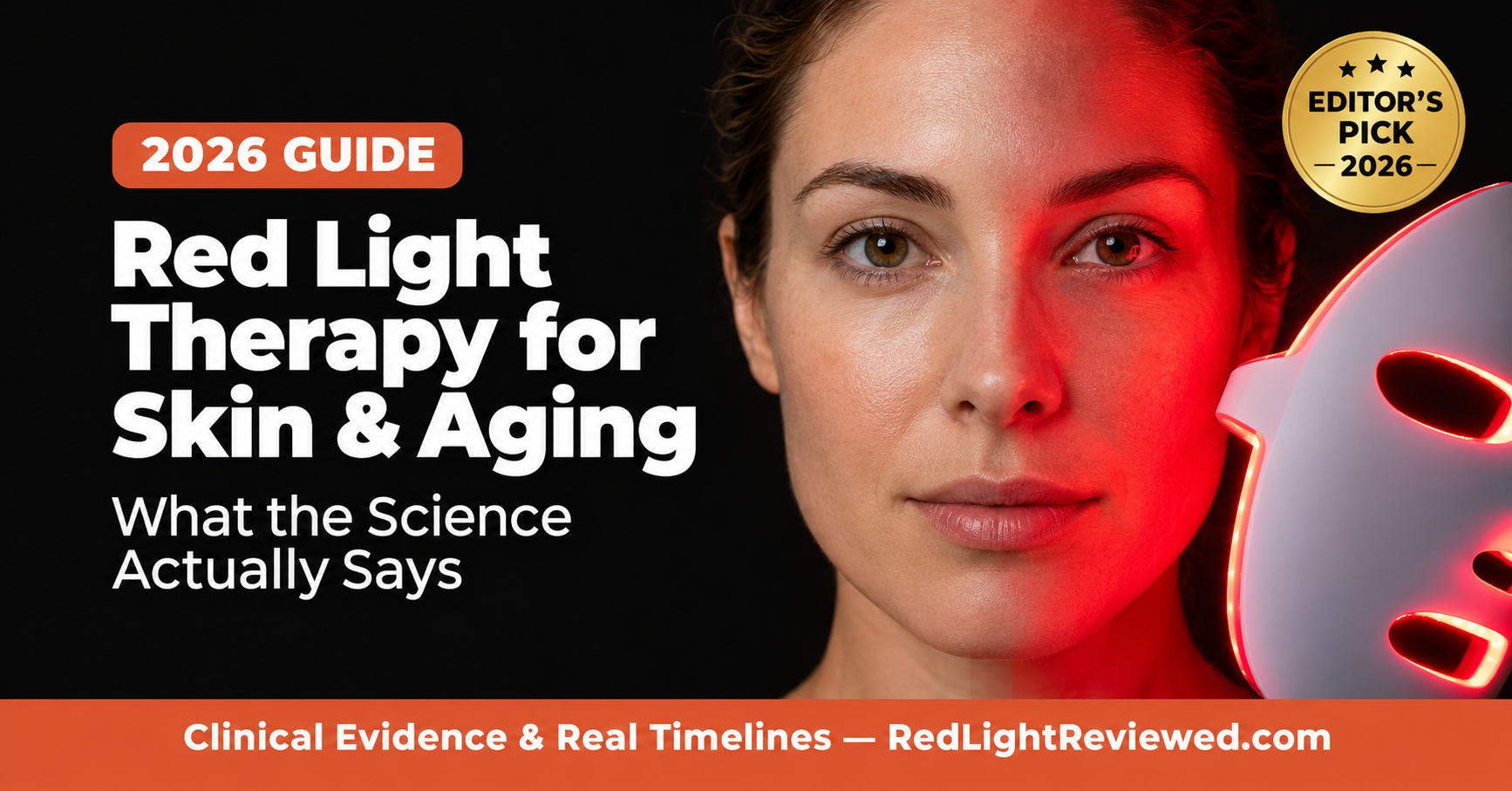
Red Light Therapy for Skin & Anti-Aging: What the Science Actually Says
The anti-aging industry has a long history of attaching scientific language to things that do not work particularly well. Red light therapy is different — not because the marketing is more honest, but because the underlying research is genuinely substantial. Over 500 peer-reviewed studies on photobiomodulation for skin exist in the indexed literature. The evidence…