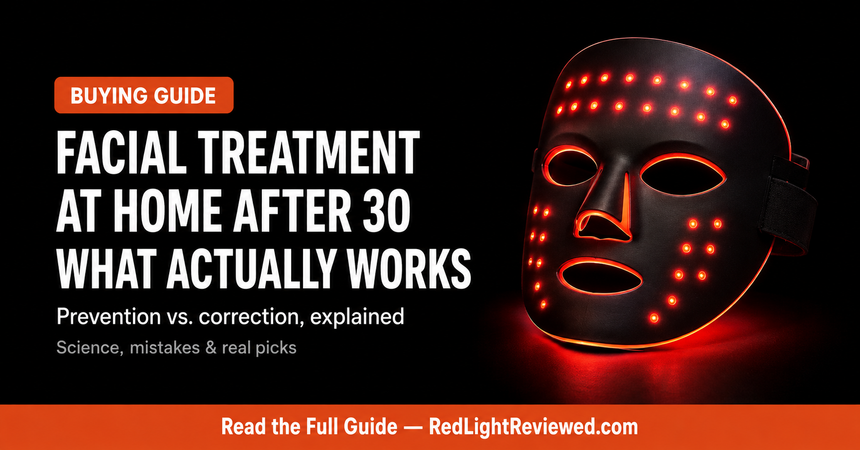
At-Home Facial Treatment After 30: What Actually Works
Spread the love
Turning 30 tends to trigger a specific, predictable panic in the skincare world — a sense that the window for “prevention” is closing and it’s time to do something. Most of what gets marketed at that panic is either wildly overpriced or wildly premature. This guide is the opposite of both: a clear-eyed look at what’s actually changing in your skin in your 30s, which at-home treatments have real evidence behind them for this specific stage, and which popular options are either not necessary yet or not doing what the marketing implies. The goal isn’t to sell you a routine — it’s to help you spend your money and your ten minutes a day on something that matches what your skin is actually doing.
Table of Contents
What’s Actually Changing in Your Skin in Your 30s
Collagen production begins a slow, gradual decline starting in the mid-to-late 20s, with most dermatology sources citing roughly a 1% annual decrease that becomes more noticeable through the 30s as the cumulative effect adds up. This isn’t a cliff — it’s a slope, and the changes most people notice in their 30s are subtle rather than dramatic: the first fine lines around the eyes and mouth that show up with expression rather than at rest, a slightly less even tone from years of cumulative sun exposure, and skin that takes a little longer to bounce back after a bad night’s sleep or a stressful week than it did a few years earlier. This is a meaningfully different starting point than skin in the 40s or 50s, where structural volume loss and deeper, static wrinkles become more central concerns — which matters directly for treatment selection, since the tools best suited to early prevention and the tools best suited to correcting more advanced changes aren’t always the same ones.
The Core Question: Prevention vs. Correction
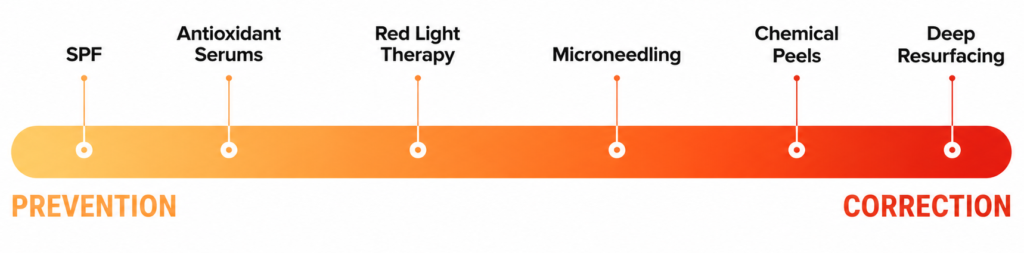
Nearly every at-home facial treatment on the market can be sorted into one of two categories, and understanding which category you actually need in your 30s is the single most useful filter for cutting through the marketing noise. Prevention-focused treatments work by supporting the skin’s existing collagen production and slowing further damage — think consistent SPF use, antioxidant serums, and red light therapy, all of which work best started before significant visible damage has occurred, precisely because they’re working with a system that’s still producing reasonably well rather than trying to rebuild one that’s already declined significantly. Correction-focused treatments — microneedling, chemical peels, more aggressive retinoid protocols — are built to address damage that’s already visible, and they generally produce faster, more dramatic single-session results because they work through actual controlled injury or exfoliation rather than gentle biological support. Your 30s sit at a genuinely useful inflection point: early enough that prevention-focused tools still have real work to do, but often the point where the first signs of correction-worthy change (a stubborn line, early sun damage) start to appear too.
The Core Question: Prevention vs. Correction
Why Red Light Therapy Specifically Fits This Age Bracket
Red and near-infrared light in the 620–850nm range works by stimulating mitochondrial ATP production in fibroblasts, which increases synthesis of type I and III collagen — the same structural proteins whose production is beginning its gradual decline through your 30s. This makes red light therapy a mechanistically good match for this specific life stage: you’re supporting a system that’s still functioning, not trying to correct one that’s already declined substantially, which is closer to the biological reality of skin in your 30s than in your 50s. The evidence base for this is genuinely solid — reviews of photobiomodulation trials consistently show measurable improvements in collagen density, elasticity, and fine line depth over 4-to-12-week windows of consistent use, a timeline we cover in detail in our 90-day glow up guide if you want the fuller month-by-month breakdown. What red light therapy is not built for at this stage — and this is worth being honest about — is correcting deep static wrinkles, significant volume loss, or advanced photodamage, none of which are typically present yet in your 30s but are worth knowing about as the ceiling of what gentle, non-invasive light therapy can address.
What to Look For in a Device at This Stage
Wavelength combination. The most research-backed pairing for this age bracket specifically is 630–660nm red light (surface-level collagen stimulation and tone) combined with 830–850nm near-infrared (deeper structural support). Devices that add blue light (typically 415nm) are worth considering if breakouts are still a factor in your 30s, which is genuinely common — adult acne doesn’t respect the “skincare in your 30s means anti-aging only” narrative.
Session length you’ll actually keep. The single biggest predictor of whether a prevention-focused routine works isn’t the device’s specs — it’s whether you use it consistently for months. A 3-to-10-minute session you’ll do daily beats a 20-minute session you’ll skip half the time. If you’re new to a facial device routine, weigh this more heavily than raw power.
FDA clearance, if it matters to your decision-making. Not every effective device carries FDA clearance, but if regulatory documentation gives you more confidence to actually stick with a routine, it’s a reasonable filter — our best LED face masks roundup flags which of the top ten carry clearance and which don’t.
Coverage relative to your actual concern. If your primary concern is genuinely just fine lines around the eyes and mouth, a full-face mask may be more device than you need. If tone and texture across the whole face are your priority, full coverage matters more.
The Most Common Objection: “Isn’t This Too Early to Start Anything?”
This is a fair question, and the honest answer is nuanced rather than a flat no. There’s no clinical evidence that starting red light therapy “too early” causes any harm — the mechanism doesn’t have a downside for skin that isn’t yet showing significant aging. The more relevant question isn’t “is 30 too early” but “is this the right tool for what’s actually happening at 30,” and the answer there is generally yes: gentle, cumulative collagen support is a good match for a system still in early decline, arguably a better match than starting with more aggressive correction-focused treatments before you have anything specific to correct. The counterargument worth taking seriously is opportunity cost — if you’re going to spend money and daily time on a routine, making sure it’s the right routine for your actual skin (not just your age) matters more than starting as early as theoretically possible. If your specific concern in your 30s is genuinely more advanced (significant sun damage from years of exposure, for instance), a comparison against microneedling or chemical peels is worth reading before assuming red light alone is the right starting point.
What the Research Shows
The photobiomodulation literature specific to early-stage collagen support is genuinely encouraging, if less dramatic than marketing copy often suggests. Reviews of clinical trials consistently show statistically significant improvements in collagen density and skin elasticity with consistent 660nm/850nm light exposure over 8-to-12-week protocols, with the effect size generally described as modest-to-moderate rather than transformative — consistent with red light therapy’s mechanism as a gentle, cumulative support tool rather than an aggressive correction method. It’s worth being direct about a limitation in this evidence base: most trials study general adult populations rather than isolating results specifically by decade of life, so the “works well in your 30s specifically” framing in this guide is a reasonable extrapolation from the underlying mechanism (a slowly-declining but still-functional collagen system) rather than a claim backed by 30s-specific clinical trials.
Common Mistakes People in Their 30s Make With At-Home Devices
The most common mistake is treating a facial device purchase as a one-time fix rather than a sustained habit — buying an expensive mask, using it inconsistently for three weeks, and concluding it “doesn’t work” before the 8-to-12-week window where real change typically shows up. A second common mistake is over-correcting: assuming that because you’re now “doing something” about aging, you should also add retinol, exfoliating acids, and a light device all at once, which usually produces irritation rather than better results — introduce one new active or device at a time and give your skin a few weeks to adjust before adding the next. A third mistake specific to this age bracket is skipping SPF because visible sun damage hasn’t shown up yet — the collagen-protective effect of daily SPF is happening well before you can see its absence, and it’s the single most effective anti-aging step available at any price point, red light therapy included.
How This Fits Into a Broader Routine
A facial device in your 30s works best as one layer in a routine rather than a standalone fix. Clean skin first (makeup, sunscreen, and product residue reduce how much light reaches your skin), a lightweight serum, your light therapy session, then moisturizer and SPF — the exact sequencing we walk through in more detail in our 10-minute morning routine guide. If you’re building this routine from scratch, our wavelengths explainer covers the science behind each light color in more depth than this guide does, and if you want the fuller list of device options across every price tier, our best LED face masks roundup ranks ten specific picks.
Recommended Devices for This Stage
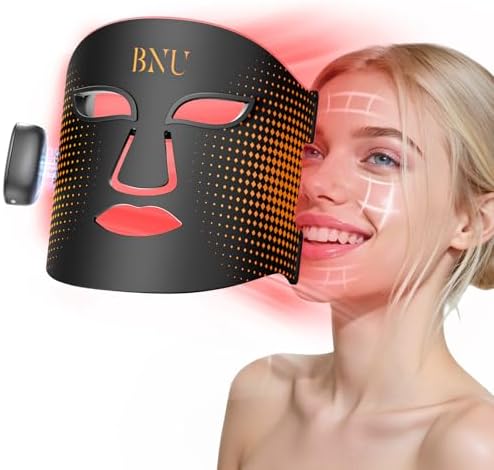
Best Devices for Prevention-Focused Skincare in Your 30s
Matched to early, gradual collagen support — not aggressive correction.
For most people starting a facial routine in their 30s specifically, a mid-tier device with published irradiance and reasonable session length hits the right balance — enough to trust the mechanism is delivering a real dose, without the premium price of devices built for more advanced correction needs you likely don’t have yet.
Common questions about at-home facial treatment in your 30s.
No — there’s no evidence that starting early causes any harm, and the mechanism (supporting a still-functional but gradually declining collagen system) is arguably a better match for skin in your 30s than for more advanced aging, where deeper structural change may need more than gentle light support.
Science
Both are reasonable additions, but introduce them one at a time with a few weeks between to see how your skin responds. Retinol and light therapy are also typically used at separate times of day rather than layered in the same session.
Usage
Unlike topical antioxidant serums, which primarily protect against future damage, red light therapy actively stimulates fibroblasts to increase collagen production — a more direct biological mechanism, though a slower-acting and gentler one than correction-focused treatments like microneedling.
Science
Red light therapy still has a role as ongoing maintenance, but if your specific concern is already more advanced, a faster-acting correction treatment like microneedling or a chemical peel may be worth exploring alongside it — see our full comparison for the tradeoffs.
Buying Decision
Most clinical protocols show measurable improvement in the 8-to-12-week range with consistent daily or near-daily use. Our full 90-day guide breaks this down month by month if you want the complete timeline.
Results
No — the underlying biology responds to consistent 660nm/850nm exposure regardless of price tier. A budget device used daily will outperform a premium device used inconsistently, which matters more than ever at this stage since you’re supporting a gradual process, not correcting an urgent one.
Buying Decision
Yes. Daily SPF remains the single most effective anti-aging step at any price point, and skipping it undercuts the collagen gains from any light therapy routine, since UV exposure actively works against what you’re trying to build.
Safety
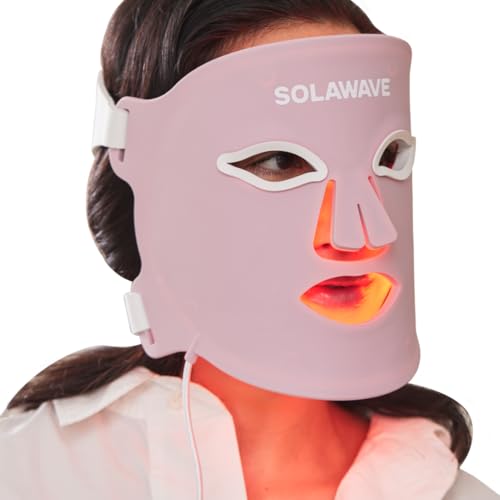
See our top pick for this stageSolawave Wrinkle Retreat Pro — FDA cleared, 3-minute sessions
The most useful thing you can do for your skin in your 30s isn’t finding the single best product — it’s matching a genuinely evidence-backed tool to what your skin is actually doing at this specific stage, and then actually using it consistently for the months it takes to see real change. Red light therapy is a mechanistically sound match for early, gradual collagen decline, but it’s not magic, and it’s not the only tool worth knowing about if your specific concerns are already more advanced. Start with realistic expectations, a routine you’ll keep, and daily SPF, and the rest follows from there.
Red light therapy devices are not intended to diagnose, prevent, or treat any medical condition. Individual results may vary. Consult a healthcare provider or dermatologist before starting any new skincare regimen.
⚠️ Affiliate Disclosure: This article contains affiliate links. If you purchase through our links, we may earn a commission at no extra cost to you. We only recommend products we have thoroughly researched.